
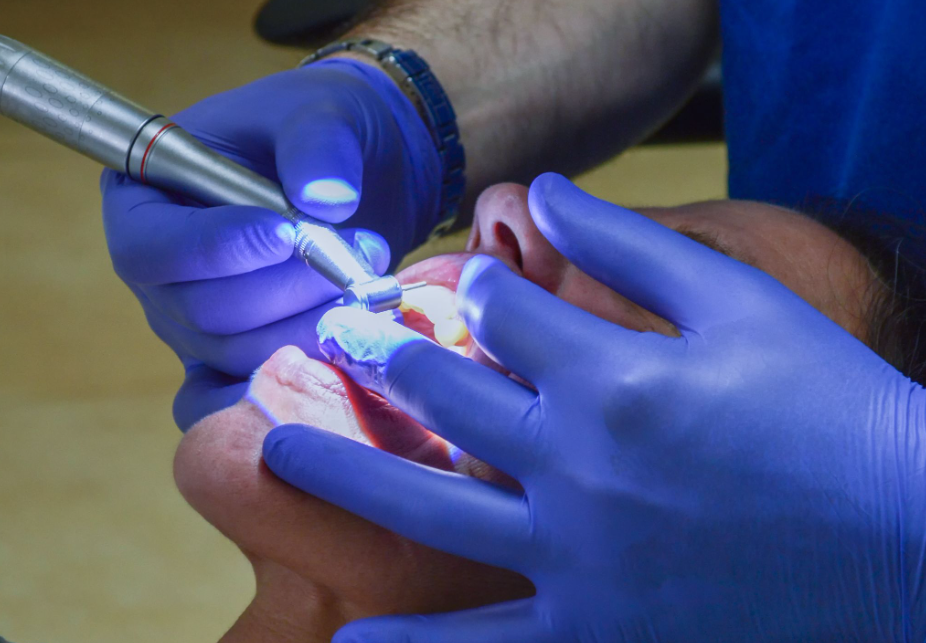
A dental filling appointment often feels more intimidating when you don’t know how long it will take. Most fillings take about 20 minutes to one hour, depending on several factors. A small cavity may require less time, while deeper decay usually needs additional care. The tooth’s location and filling material can also change the appointment length. Knowing what to expect can make scheduling easier and reduce unnecessary concerns.
How Long Does a Dental Filling Take?
Most routine dental fillings take between 20 minutes and one hour to complete. However, dentists cannot give every patient the same treatment timeline. Cavity size, tooth location, material choice, and anesthesia can affect appointment length. Understanding these variables provides a more realistic idea of your expected chair time.
Average Time for a Routine Filling
A straightforward filling commonly takes around 20 to 40 minutes for one tooth. Small cavities usually require less drilling and less restorative material. Your dentist must still prepare the tooth carefully before placing the filling. They will remove decay, clean the area, and shape the restoration. The dentist then checks your bite and makes adjustments when needed. Larger cavities can extend the procedure closer to an hour.
Why Filling Times Vary Between Patients
No two cavities develop in the same way or location. Some decay stays near the tooth surface and requires relatively simple treatment. Deeper cavities need more careful preparation because they approach sensitive tooth structures. Back teeth can also take longer because dentists have less working space. Patient comfort may affect treatment speed, especially when additional numbing becomes necessary. These differences explain why appointment estimates usually include some flexibility.
What Happens During a Filling Appointment?
A filling appointment follows several steps designed to restore a damaged tooth. Your dentist first examines the area and prepares it for treatment. The decayed portion then gets removed before restorative material fills the prepared space. Each stage takes time because accurate preparation supports comfort and reliable results.
Numbing the Tooth and Surrounding Area
Many filling procedures begin with local anesthesia to control discomfort during treatment. Your dentist may apply topical numbing gel before administering the anesthetic injection. Local anesthetic usually takes several minutes to take full effect. Your dentist may test the area before starting the cavity preparation. You may need additional anesthetic if the tooth remains sensitive. Waiting for complete numbness can add time but makes treatment more comfortable.
Removing Decay From the Tooth
Your dentist removes damaged tooth structure after confirming that the area feels numb. Dental instruments allow the dentist to reach decay while preserving healthy tooth structure. Small cavities generally require less preparation than wide or deep cavities. The dentist also cleans the prepared area before adding restorative material. Careful preparation creates a stable surface for the new filling. The process may take longer when decay extends into difficult areas.
Placing and Shaping the Filling
The placement process varies according to the restorative material your dentist chooses. Tooth-colored composite usually gets applied in controlled layers within the prepared cavity. A curing light hardens each composite layer before the dentist adds another. The dentist then shapes the restoration to match your natural tooth contours. The dentist checks your bite to identify any areas that feel unusually high. Small adjustments and polishing complete the filling before you leave.
Checking Your Bite Before You Leave
Your dentist checks your bite after shaping and polishing the new filling. You will usually bite on marking paper to identify areas of excess height. A high filling can create uncomfortable pressure when you chew or close your mouth. Your dentist removes small amounts of material until the bite feels balanced. You may need several bite checks before the restoration feels natural. Mention any unusual pressure before leaving so the dentist can adjust it immediately.

What Affects the Length of Filling Treatment?
Several clinical factors determine how quickly a dentist can complete your restoration. A simple surface cavity usually requires less work than extensive tooth decay. Material selection and tooth accessibility also influence the number of treatment steps. Your dentist considers these details when estimating your appointment time.
Size and Depth of the Cavity
Cavity size directly affects how much preparation the tooth needs. Minor decay may involve only a small section of the outer tooth. Larger cavities require dentists to remove more damaged material before restoring the area. Deep decay also demands extra caution near the tooth’s inner tissues. The dentist may place protective material when the cavity approaches the pulp. These additional steps can increase treatment time while protecting the remaining tooth.
Location of the Affected Tooth
Front teeth are often easier for dentists to see and access directly. Molars can be more challenging because they sit farther inside the mouth. Their chewing surfaces also contain grooves and multiple contours that require accurate shaping. Moisture control may take additional effort when treating certain back teeth. Your dentist must also recreate a comfortable bite after placing the restoration. These factors can make some molar fillings longer than simpler front-tooth restorations.
Number of Cavities Being Filled
Treating several cavities naturally requires more time than restoring one tooth. However, completing multiple fillings together may reduce separate preparation and appointment time. Your dentist may recommend treating nearby teeth during the same visit when appropriate. Cavities in different areas can require repositioning and additional anesthesia. Large or complicated restorations may also make shorter appointments more comfortable. Your treatment plan will usually balance efficiency with safe, manageable dental care.
Does Filling Material Change Treatment Time?
Different filling materials require different preparation, placement, and finishing techniques. Composite fillings often involve several carefully controlled steps during placement. Other materials may follow a different process based on their handling requirements. Material choice can therefore influence both treatment time and the restoration process.
How Long Does a Composite Filling Take?
A composite filling commonly takes around 30 to 60 minutes for one tooth. The dentist prepares the tooth and keeps the treatment area dry. The dentist then places and shapes tooth-colored resin in carefully controlled layers. A special curing light hardens each layer before the next one. The dentist shapes and polishes the finished restoration to create a natural surface. Larger composite restorations may require additional time for accurate placement and bite adjustment.

How Other Filling Materials Affect Time
Some filling materials require fewer placement steps than tooth-colored composite restorations. Amalgam, for example, does not require the same layered light-curing process as composite. Gold and ceramic restorations can involve different procedures based on their fabrication method. Some restorations may require laboratory work or digital manufacturing before final placement. Material selection also depends on tooth location, damage, appearance, and clinical needs. Your dentist can explain how the recommended material affects your specific appointment length.
How Long Do Multiple Dental Fillings Take?
Dentists can often treat several cavities during a single dental appointment. Total chair time depends on each cavity’s size, location, and complexity. Two simple fillings may take considerably less time than several deep restorations. Your dentist may divide extensive treatment across visits when that approach improves comfort.
Time Needed for Two or Three Fillings
Two uncomplicated fillings may take around 45 minutes to more than one hour. Three restorations can require longer, especially when cavities affect different areas. Nearby cavities may be easier to treat during the same appointment. Your dentist can sometimes use one anesthetic area for neighboring teeth. Separate areas of the mouth may require additional injections and preparation. Treatment time increases further when any cavity needs extensive decay removal or detailed shaping.
When Dentists Split Filling Appointments
Dentists do not always recommend completing every filling during one appointment. Long procedures can become uncomfortable for patients who struggle with extended mouth opening. Cavities on opposite sides may also require numbing several areas at once. Treating one section at a time can make eating afterward more manageable. Complex restorations may benefit from separate appointments that allow focused treatment. Your dentist will recommend a schedule based on your dental needs and comfort.
Can a Filling Take Longer Than Expected?
Some dental fillings become more complicated after the dentist begins removing decay. X-rays provide useful information, but they cannot reveal every clinical detail beforehand. A cavity may extend deeper or wider than initially expected. These discoveries can increase treatment time and sometimes change the recommended restoration.
Deep Decay Can Extend the Appointment
Deep cavities require careful treatment because decay may approach the tooth’s pulp. Your dentist removes damaged material while trying to preserve healthy tooth structure. Additional protective steps may become necessary when the remaining tooth structure becomes thin. Extensive damage can also make shaping the restoration more complicated. The dentist may need extra time to check your comfort throughout treatment. Severe decay could require treatment beyond a standard filling when the tooth cannot support one.
Bite Adjustments Can Add Extra Minutes
A new filling must fit comfortably when your upper and lower teeth meet. Your dentist usually asks you to bite onto marking paper after placement. The markings reveal areas where the restoration may sit too high. Small adjustments can improve comfort and reduce excessive pressure on the restored tooth. Your dentist may repeat the bite check several times before finishing. Spending these extra minutes can prevent an uncomfortable bite after the appointment.
Schedule Your Filling Before Decay Advances
A filling may require less than an hour, but untreated decay keeps progressing. Scheduling treatment early can preserve more tooth structure and prevent more complicated dental work. After examining the tooth, your dentist can confirm how long your filling will take. Book your appointment soon and address the cavity before a simple restoration becomes a bigger procedure.
Have more questions about dental care and treatment? Head to the Las Palmas Dental Dr. Gaston blog for straightforward information that helps you care for your smile.