A damaged tooth can make everyday activities like eating and smiling less comfortable. If your dentist recommends a cap or crown, the different terms may sound like separate treatments. However, a tooth cap and dental crown are the same type of restoration, with “cap” being the informal term. Both describe a custom covering that fits over a prepared tooth to restore its strength, function, or appearance. Understanding how crowns work and when they are recommended can help you approach treatment with greater confidence.
Is a Tooth Cap the Same as a Crown?
A tooth cap and crown are not competing treatments or separate dental procedures. Both terms describe a restoration that covers and protects a prepared tooth. The main difference is terminology, not what happens in the dental chair.
Why Dental Crowns Are Also Called Caps
The word “cap” comes from the way a crown covers the visible part of a tooth. Many patients use that term because it gives a simple picture of what the restoration does. Dentists generally use “crown” because it is the accepted professional term for the treatment. Dental offices may still use both words when explaining treatment to patients. A dentist recommending a crown is not suggesting something more advanced than a tooth cap. In most conversations about restorative dentistry, the two terms mean the same thing.
Difference in the Procedure
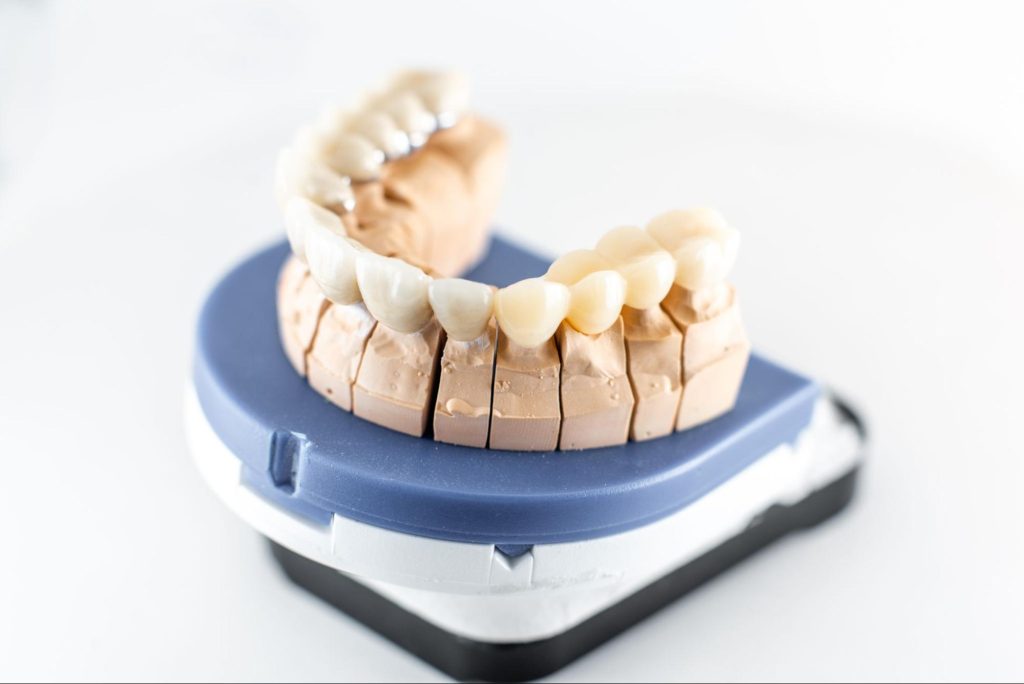
No procedural difference exists simply because someone calls a dental crown a cap. The dentist prepares the damaged tooth so the new restoration fits securely. An impression or digital scan then records the shape needed for the finished crown. Depending on the dental office, a laboratory or in-office system creates the restoration. The dentist checks the completed crown before securing it to the prepared tooth. So choosing between “cap” and “crown” doesn’t change the treatment.
How a Dental Crown Restores a Tooth
A crown restores more than the outside appearance of a damaged tooth. It can strengthen a weakened structure while helping the tooth handle normal biting and chewing. The exact purpose depends on the tooth’s condition and why it needs treatment.
How a Crown Protects a Damaged Tooth
A crown surrounds the remaining tooth structure instead of repairing only one small area. That coverage can support teeth weakened by decay, cracks, wear, or large existing fillings. It also helps distribute pressure across the restored tooth during normal chewing. However, a crown does not make a tooth immune to future dental problems. Natural tooth structure remains underneath and around the restoration. Good home care and regular dental visits still matter after crown placement.
Can a Crown Improve a Tooth’s Appearance?
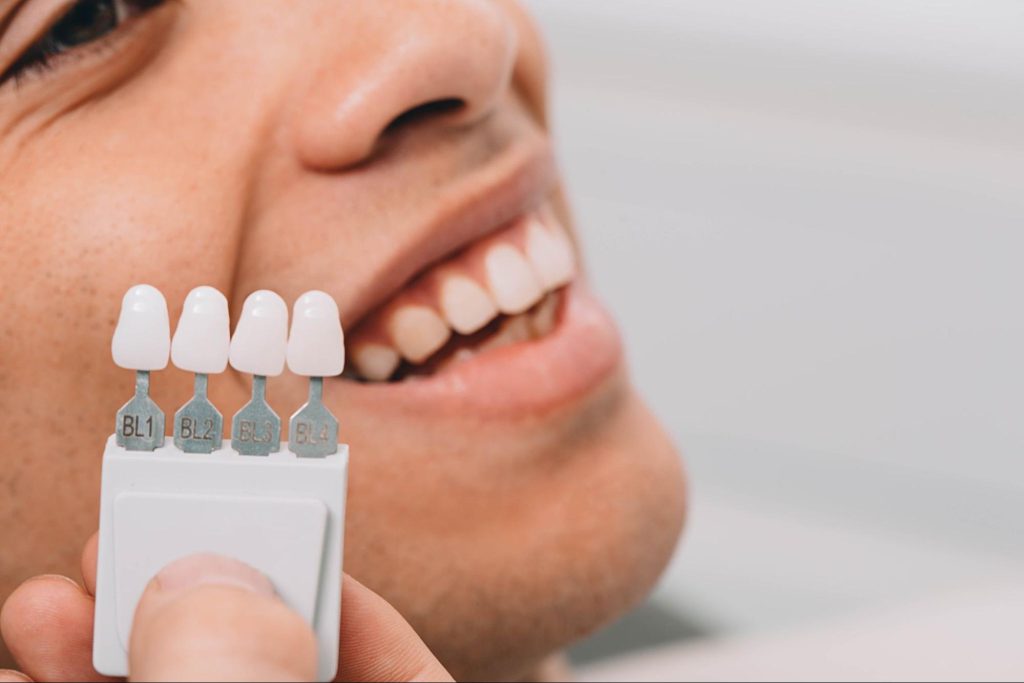
Dental crowns can improve appearance when a tooth has extensive cosmetic or structural concerns. Tooth-colored materials can change the restored tooth’s visible shape, size, and color. Dentists may consider crowns for severe discoloration or damage that simpler treatments cannot address well. However, crowns require more tooth preparation than many purely cosmetic options. Minor concerns may respond better to whitening, bonding, or veneers. A dentist can compare these choices while considering both appearance and long-term tooth health.
Restoring Comfortable Biting and Chewing
A damaged tooth can make chewing uncomfortable or cause you to favor one side. A dental crown rebuilds the tooth’s shape so it can function more normally. The restoration also helps distribute biting pressure across the tooth instead of concentrating force on weakened areas. Proper crown placement allows the restored tooth to work more naturally with surrounding teeth. Your dentist will check the bite and make adjustments when needed for better comfort. A well-fitted crown can help you return to everyday eating without placing unnecessary stress on the damaged tooth.
When a Dental Crown is Necessary
Dentists recommend crowns when a tooth needs more support than a smaller restoration can provide. They consider the amount of healthy tooth remaining, bite pressure, damage, and previous dental work. A crown becomes one option when preserving and rebuilding the existing tooth remains practical.
Large Cavities and Weakened Teeth
Not every cavity requires a crown because smaller areas of decay often respond well to fillings. The situation changes when decay removes a large amount of healthy tooth structure. A large filling can also leave thin sections of tooth vulnerable to cracking under chewing pressure. In those situations, a crown may provide broader protection than another filling. Dentists also consider where the tooth sits and how much force it receives. The final recommendation should reflect the tooth’s actual condition, not just cavity size.
After Root Canal Treatment
Root canal treatment addresses infection or inflammation inside a tooth, but restoration may still be necessary afterward. Many teeth needing root canals already have large fillings, decay, fractures, or substantial structural loss. Those problems can leave the tooth more vulnerable during everyday chewing. Dentists often recommend crowns for treated back teeth because they handle considerable biting pressure. Some front teeth may need a different restoration when enough healthy structure remains. The best choice depends on the tooth’s location, condition, and remaining strength.
Cracked and Heavily Worn Teeth
Cracks can develop from injuries, grinding, large fillings, or years of repeated chewing pressure. Significant wear can also reduce tooth height and change the way the teeth meet. A crown may rebuild the damaged area while covering vulnerable tooth structure. However, not every crack can be treated successfully with a crown. Deep fractures can affect the tooth differently and may require another treatment approach. An early evaluation gives the dentist more information before the damage progresses further.
How Does the Crown Procedure Work?
Getting a crown usually involves several steps, not just placing a cover over the tooth. The dentist first creates enough space for the restoration and records the tooth’s shape. Modern dental technology can change how these steps happen, but the overall treatment goal stays the same.
How a Tooth is Prepared for a Crown
The dentist begins by examining the tooth and may take X-rays when needed. Local anesthetic usually keeps the area comfortable during preparation. The dentist removes damaged material and carefully shapes the remaining tooth for the crown. Some teeth need a buildup when too little structure remains to support the restoration properly. The dentist must also leave enough room for the crown without creating an awkward bite. Careful preparation helps the finished restoration fit comfortably with neighboring and opposing teeth.
What Happens After Tooth Preparation
The dentist records the prepared tooth using a traditional impression or digital scanner. That information allows a dental laboratory or in-office system to create the final crown. Patients may receive a temporary crown while a laboratory makes the permanent restoration. The temporary crown protects the prepared tooth and helps maintain normal spacing. Very sticky or hard foods can loosen temporary restorations, so patients should follow their dentist’s eating instructions. Practices offering same-day crowns may complete fabrication and placement during one appointment.
Does Getting a Dental Crown Hurt?
Local anesthetic usually limits discomfort while the dentist prepares the tooth. Patients may still notice pressure or movement during treatment without feeling sharp pain. Mild sensitivity can develop after the appointment, especially around the prepared tooth and nearby gums. That discomfort often improves as the area settles. Don’t ignore persistent pain, worsening sensitivity, or significant pain while biting. A dentist can check whether the bite, tooth, or surrounding tissues need additional attention.
Which Dental Crown Material is Best?
No single crown material works best for every person or every tooth. Dentists weigh appearance, tooth location, chewing forces, remaining structure, and other clinical needs. Understanding the main options can make a dentist’s recommendation easier to follow.
Porcelain and Ceramic Crowns
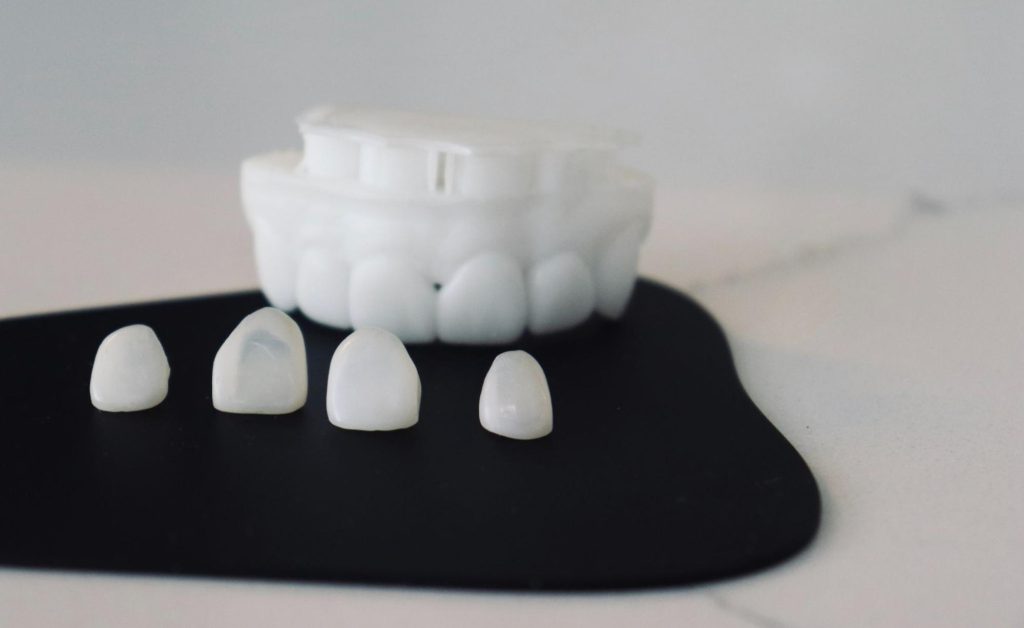
Porcelain and ceramic crowns can closely resemble natural teeth, making them attractive for visible areas. Modern dental ceramics also offer useful strength for many restorative situations. However, “ceramic” describes several materials rather than one identical type of crown. Each material offers a different balance of strength, thickness, and natural-looking translucency. Grinding habits and heavy bite forces can influence which option works best. Your dentist can explain why a particular ceramic suits the tooth being restored.
Zirconia Dental Crowns
Zirconia is a ceramic known for its strength and fracture resistance. Dentists often consider it for teeth that must handle substantial chewing forces. Modern zirconia can also provide a more natural appearance than some earlier versions. Still, different zirconia products vary in strength and translucency. A highly cosmetic front tooth may have different needs from a heavily used back tooth. Material selection should balance appearance with the demands placed on the restoration.
Metal and Porcelain-Fused-to-Metal Crowns
Metal crowns can withstand considerable chewing pressure and have a long history in restorative dentistry. Their obvious metallic appearance makes them less appealing for patients who want natural-looking teeth. Porcelain-fused-to-metal crowns use a metal base covered with tooth-colored porcelain. This combination provides strength while improving the crown’s appearance. However, porcelain can chip, and metal may sometimes become visible near the gumline. Tooth location and cosmetic expectations help determine whether these materials remain suitable choices.
Protect Your Tooth With the Right Crown Care
A damaged tooth rarely improves without proper dental care, and waiting can limit your treatment options. If you notice pain, sensitivity, cracks, or problems with an existing crown, schedule a dental evaluation. Your dentist can determine what the tooth needs and recommend treatment based on its condition. Addressing the problem early can help preserve healthy tooth structure and keep your bite comfortable.
Stay informed about your oral health with clear, reliable dental information. Explore the Las Palmas Dental Dr. Gaston blog for useful resources on dental care, treatments, and healthy smiles.