A damaged tooth can affect eating, speaking, comfort, and confidence in everyday situations. Sometimes, a filling cannot provide enough support to restore the tooth properly. A dental crown offers broader coverage when significant damage or weakness affects the tooth. It can restore function while creating a natural shape that fits comfortably within your bite. Understanding dental crowns can make treatment decisions easier and help you protect your smile longer.
What is a Dental Crown?
A dental crown is a custom restoration that covers the visible portion of a tooth. Dentists use crowns to strengthen weakened teeth and restore damaged structures. A crown can also improve a tooth’s shape, size, color, and overall appearance. Different crown materials provide varying combinations of strength, durability, appearance, and cost.
How a Crown Covers a Damaged Tooth
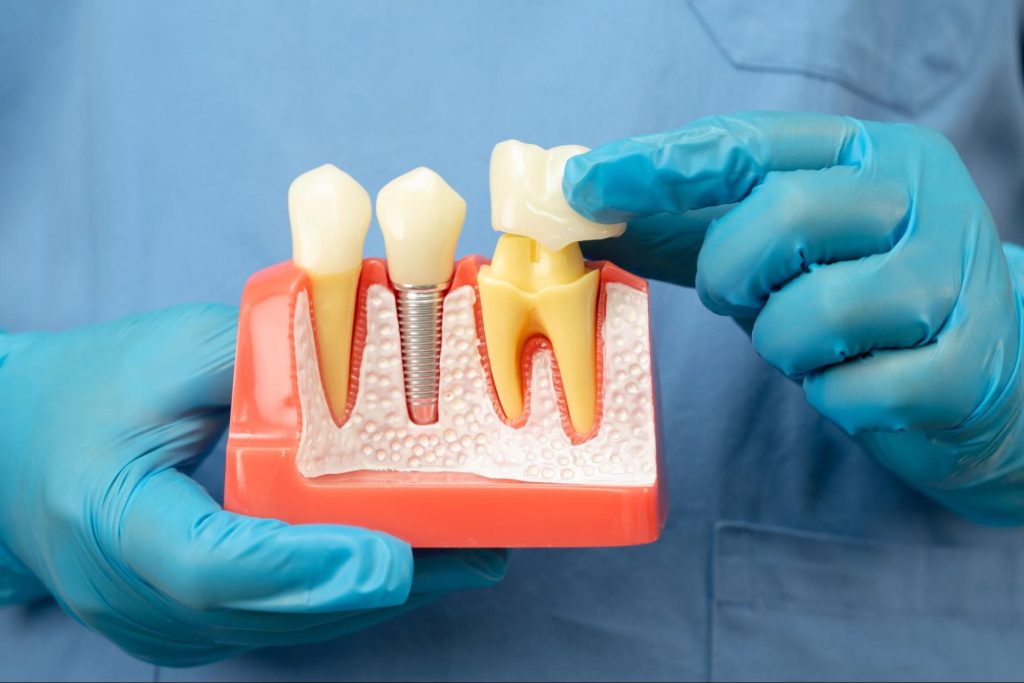
A crown fits over a prepared tooth like a protective outer shell. The dentist removes damaged areas and shapes the tooth to accommodate the restoration. The crown then covers the remaining structure above the gumline. Dental cement holds the finished restoration securely against the prepared tooth. A properly fitted crown distributes biting pressure more evenly across the restored tooth. That protection can reduce stress on weakened areas during chewing and everyday use.
What Dental Crowns Are Made From
Dental crowns come in several materials suited to different clinical and cosmetic needs. Ceramic and porcelain options can closely resemble natural enamel in color and translucency. Zirconia offers considerable strength while maintaining a tooth-colored appearance. Metal crowns provide excellent durability, although their metallic appearance makes them more noticeable. Porcelain-fused-to-metal crowns combine a metal foundation with a tooth-colored outer surface. Your dentist considers tooth location, bite forces, appearance, and remaining structure when recommending materials.
Crowns Versus Fillings and Veneers
Fillings repair cavities or damaged areas without covering the entire visible tooth. Crowns provide more extensive coverage when a tooth needs greater structural support. Veneers mainly cover the front surfaces of teeth for cosmetic improvements. They usually require less tooth preparation than full dental crowns. However, veneers cannot provide the same protection for extensively weakened or fractured teeth. Your dentist recommends a restoration according to the damage, tooth location, and treatment goals.
Why Dentists Recommend Dental Crowns
Dental crowns address structural problems that simpler restorations may not manage effectively. They can protect vulnerable teeth while restoring comfortable chewing and a balanced bite. Dentists also use crowns alongside several restorative and replacement treatments. The best treatment depends on the tooth’s condition and long-term outlook.
Protecting Cracked or Weakened Teeth
Large cracks can weaken a tooth and make normal chewing uncomfortable or risky. A crown surrounds the remaining structure and helps hold vulnerable sections together. Dentists may recommend one when a large filling leaves limited natural enamel. Crowns can also restore teeth weakened through extensive decay or repeated dental treatment. However, not every crack can be treated successfully with a crown. Deep fractures extending below the gumline may require different treatment after careful evaluation.
Restoring Teeth After Root Canal Treatment
Root canal treatment removes infected or inflamed tissue from inside a tooth. The treated tooth may need additional protection depending on its location and remaining structure. Back teeth commonly experience substantial chewing forces during meals. A crown can reinforce these teeth and restore their functional shape after treatment. The restoration also helps protect the remaining tooth structure from future fractures. Your dentist determines the final restoration after assessing the tooth’s strength and expected biting pressure.
Supporting Bridges and Dental Implants
Crowns also play an important role in several tooth replacement treatments. A traditional dental bridge often uses crowns on neighboring teeth for support. The replacement tooth sits between those crowned supporting teeth to fill the gap. Dental implants use a different approach because the implant replaces the missing tooth root. An implant crown attaches to the implant through a connecting component called an abutment. Both approaches can restore chewing function and improve the appearance of missing-tooth spaces.
What Happens During Crown Treatment?
Getting a dental crown usually involves preparing the tooth and creating a precise restoration. Traditional treatment often requires separate preparation and placement appointments. Some dental offices can produce certain crowns during a single visit using digital technology. Your treatment schedule depends on the crown material, the dental technology used, and your tooth’s condition.
Preparing the Tooth for a Crown
The dentist first examines the tooth and surrounding tissues before beginning treatment. Local anesthesia typically keeps the treatment area comfortable during tooth preparation. The dentist removes damaged or decayed material before shaping the tooth. The dentist reduces parts of the tooth so the crown can fit properly. Severely damaged teeth may require additional restorative material to create enough support underneath. Careful preparation gives the finished crown space to function without creating excessive bulk.
Impressions and Temporary Crowns
After completing the preparation, the dentist records the prepared tooth and nearby structures. Traditional impressions use dental materials, while digital scanners create detailed three-dimensional records. A dental laboratory can use these records to design a custom restoration. Many patients receive a temporary crown while the lab makes the permanent restoration. Temporary crowns protect prepared teeth but are usually less durable than permanent restorations. Patients should follow their dentist’s eating and cleaning instructions while wearing temporary crowns.
Placing and Adjusting the Final Crown
The dentist removes the temporary restoration when the permanent crown is ready. Next, the dentist checks the new crown for fit, shape, appearance, and bite. Small adjustments can improve comfort before the dentist permanently secures the restoration. Dental cement then bonds the crown to the prepared natural tooth. The dentist may check your bite again after placement to identify unwanted pressure. Contact the dental office if persistent discomfort or an uneven bite develops afterward.
Types of Dental Crowns and Materials
Crown materials affect appearance, strength, wear characteristics, and suitability for different teeth. No single material works best for every patient or every tooth. Front teeth and molars often face different cosmetic and functional demands. Dentists consider these differences before recommending a specific crown type.
Ceramic and Porcelain Dental Crowns
Ceramic crowns offer a tooth-colored appearance that works well in visible areas. Their color and surface can be designed to complement surrounding natural teeth. Modern dental ceramics can also provide substantial strength for many clinical situations. However, material selection still depends on bite forces and the restoration’s location. Patients who grind their teeth may require additional consideration before choosing certain ceramics. A dentist can compare cosmetic expectations with functional demands before recommending a specific option.
Zirconia and Metal-Based Crowns
Zirconia crowns combine high strength with a tooth-colored appearance, making them suitable for many restorations. Their durability makes them useful when teeth experience considerable chewing pressure. Traditional metal crowns can also withstand heavy biting forces and resist fracture effectively. Their visible metallic color makes them less desirable for patients seeking natural-looking restorations. Porcelain-fused-to-metal crowns offer strength underneath a more natural-colored exterior. Each option involves trade-offs in appearance, tooth preparation, wear, and long-term performance.
How Long Do Dental Crowns Last?
Dental crowns can remain functional for many years with proper fitting and maintenance. Their lifespan varies because patients place different levels of stress on their restorations. Oral hygiene, diet, grinding habits, and crown materials can affect long-term performance. Regular dental visits also help identify problems early, before they cause significant damage.
Habits That Affect Crown Longevity
Biting ice or very hard foods can place unnecessary pressure on dental restorations. Using teeth to open packaging can also damage crowns and natural enamel. Teeth grinding creates repeated forces that may contribute to wear, fractures, or loosening. Patients who grind may benefit from discussing protective options with their dentist. Consistent brushing and interdental cleaning protect the tooth margins surrounding the crown. Healthy supporting teeth and gums provide a better environment for long-term function.
Signs a Crown May Need Attention
A crown should generally feel stable and comfortable during normal biting and chewing. New pain can indicate problems involving the crown, underlying tooth, or surrounding tissues. Persistent or worsening sensitivity also deserves professional evaluation. A loose crown requires prompt attention because bacteria can enter beneath the restoration. A dentist should also assess chips, cracks, or noticeable bite changes. Early evaluation may sometimes allow simpler treatment before the underlying problem becomes more extensive.
Caring for Teeth With Dental Crowns
A crowned tooth still needs daily care because natural tooth structure remains underneath. Decay can develop near the crown margin where the restoration meets the tooth. Gum health also affects comfort, appearance, and the long-term stability of restorations. Good home care and professional monitoring help protect both the crown and supporting tissues.
Brushing and Cleaning Around Crowns
Brush crowned teeth thoroughly using a soft-bristled toothbrush and fluoride toothpaste. Pay particular attention to the area where the crown meets the gumline. Plaque can accumulate around this margin just as it does around natural teeth. Clean between teeth daily using floss or another dentist-recommended interdental cleaner. Careful cleaning helps reduce the risk of decay and gum inflammation around restorations. Your dentist or hygienist can demonstrate cleaning methods for difficult areas around crowns.
Foods and Behaviors to Consider
Most people can eat normally after their permanent crown settles comfortably into place. Still, extremely hard foods can damage restorations and natural teeth alike. Sticky foods may create additional problems when a crown is temporary or already loose. Avoid chewing nonfood objects such as pens, fingernails, or packaging materials. People who grind at night should discuss their symptoms at dental appointments. Small behavior changes can reduce unnecessary stress on both crowns and surrounding teeth.
When Should You Consider a Dental Crown?
Not every damaged tooth needs a crown, and early evaluation can preserve more treatment options. Persistent pain, fractures, or failing restorations deserve attention before the damage becomes harder to manage. A dentist can determine how much healthy tooth remains and recommend suitable treatment. A prompt assessment also helps distinguish problems that need crowns from those that need simpler or different care.
Symptoms That Deserve a Dental Evaluation
Pain while chewing can indicate decay, cracks, inflammation, or problems with an existing restoration. A visible fracture should also receive professional attention even when the tooth feels comfortable. Large broken fillings may leave surrounding tooth structure vulnerable to further damage. Increasing sensitivity can indicate exposed tooth structure or another dental problem requiring examination. Swelling, severe pain, or signs of infection call for timely professional care. An examination can identify the cause instead of relying on symptoms alone.
Questions to Ask Before Getting a Crown
Ask why a crown is recommended and what problem the restoration should address. Discuss other reasonable treatment options and how their benefits or limitations differ. You can also ask which crown material suits the tooth and your bite. Request information about preparation, temporary restorations, recovery, and expected follow-up care. Cost estimates and insurance details can help you prepare financially before starting treatment. Clear answers make it easier to understand the proposed treatment and participate confidently in decisions.
Protect Your Smile With Crowns for Teeth
A damaged tooth rarely becomes stronger without proper dental care. Crowns for teeth can protect vulnerable structures while restoring comfortable function and natural appearance. Delaying treatment may allow cracks, decay, or weakened areas to become harder to repair. Schedule a dental evaluation to learn if a crown can help preserve your tooth.
Have more questions about your dental health? Explore the Las Palmas Dental Dr. Gaston blog for clear information on treatments, prevention, and everyday dental care.