A dental crown can restore a damaged tooth and keep your bite comfortable for years. Still, many patients wonder how long that protection will last. Most crowns last around 10 to 15 years, although some remain functional much longer. Material choice, oral habits, bite pressure, and daily care can change that timeline considerably. Understanding those factors helps you protect your crown and recognize problems before they become expensive repairs.
How Long Do Dental Crowns Usually Last?
Dental crowns don’t have a fixed expiration date for every patient. With proper care, many crowns provide reliable service for 10 to 15 years. Some can remain healthy and functional for 20 years or longer. Their actual lifespan depends on the crown, underlying tooth, bite, and daily habits.
Average Lifespan of a Dental Crown
A well-made dental crown typically lasts 10 to 15 years. However, that range is an average, not a guaranteed replacement schedule. Some crowns need earlier replacement because of decay, fractures, or excessive bite pressure. Others remain stable for decades because the tooth stays healthy underneath them. Regular dental examinations can identify subtle changes before the crown becomes uncomfortable or loose. Dentists therefore evaluate crown condition individually instead of replacing every restoration at a certain age.
Why Some Crowns Last Longer
Long-lasting crowns usually benefit from healthy supporting teeth and consistent oral hygiene. Accurate crown placement also helps distribute chewing pressure across the restored tooth properly. Material strength matters because different crown materials tolerate pressure and wear differently. A balanced bite can further reduce stress along the crown edges and underlying tooth. Patients who avoid chewing hard objects also lower their risk of cracks and fractures. Together, these factors can extend crown life well beyond the typical average.
What Affects the Lifespan of a Crown?
Several connected factors determine how quickly a dental crown wears or develops problems. Some relate to the crown itself, while others involve the surrounding mouth. Daily habits can influence longevity just as much as the restoration material. Understanding these influences makes crown maintenance easier and more practical over time.
Crown Material and Durability
Dentists use several materials because no single crown works best for every tooth. Porcelain and ceramic options provide natural-looking results that work particularly well in visible areas. Zirconia offers considerable strength while still providing an attractive tooth-colored appearance. Porcelain-fused-to-metal crowns combine a strong internal structure with a tooth-colored outer layer. Metal crowns withstand substantial chewing forces and generally resist fractures very effectively. Your dentist considers appearance, tooth position, bite forces, and remaining tooth structure before recommending material.
Tooth Location and Bite Pressure
Crown location can influence how much pressure the restoration receives each day. Molars handle stronger chewing forces than most front teeth during normal eating. Those repeated forces can gradually wear crown surfaces or stress weakened supporting structures. Front crowns face less chewing pressure but may experience different stresses from biting foods. Bite alignment can also concentrate excessive force on one crown instead of distributing pressure evenly. A dentist can evaluate these forces when checking an existing crown or planning treatment.
Oral Hygiene and Gum Health
A crown cannot develop a cavity, but the natural tooth underneath still can. Plaque often collects near the margin where the crown meets the tooth. Poor cleaning around that area can contribute to decay and gum inflammation. Brushing twice daily helps remove plaque before it creates persistent problems around the restoration. Cleaning between teeth also protects crown margins that a toothbrush cannot reach effectively. Healthy gums and clean margins create better conditions for long-term stability.
How Different Crown Materials Compare
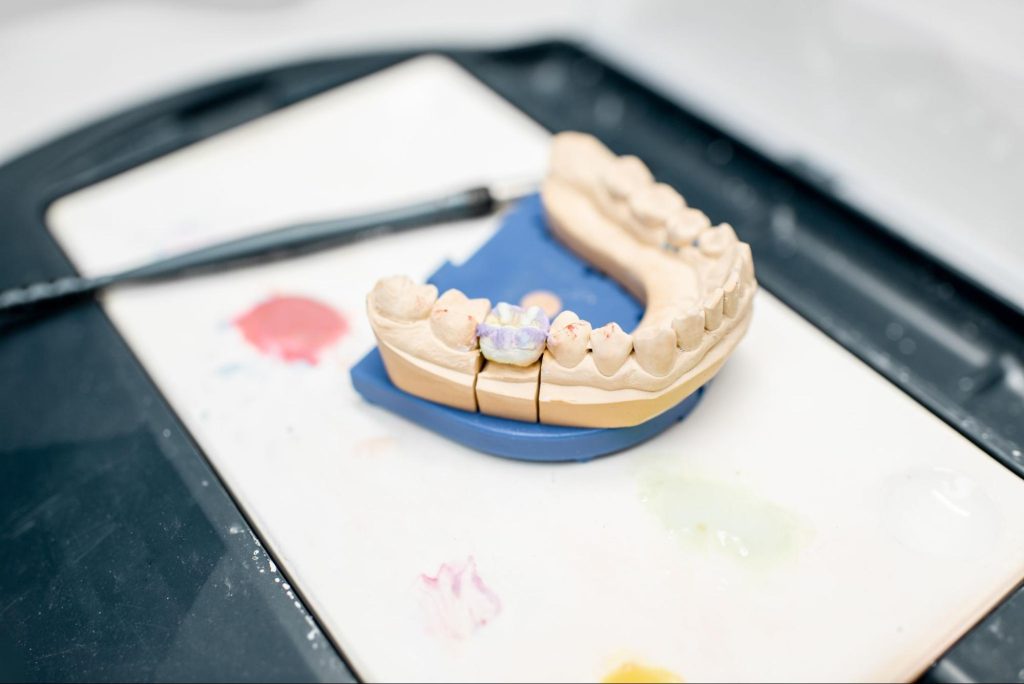
Crown materials differ in appearance, strength, thickness, and resistance to everyday wear. Those differences can affect longevity, although material alone never determines crown survival. Tooth condition and placement quality remain important regardless of the crown type selected. Understanding common materials can make conversations about treatment options more productive.
Porcelain and Ceramic Crowns
Porcelain and ceramic crowns closely resemble natural teeth because they reflect light attractively. Dentists often use them when appearance matters, especially within the visible smile. Modern ceramics can provide considerable strength when dentists choose appropriate materials and thicknesses. However, ceramic surfaces can chip or fracture under unusually heavy or concentrated pressure. Teeth grinding may increase that risk unless the patient receives suitable protection. Good oral care and routine evaluations can help ceramic crowns maintain appearance and function.
Zirconia and Metal Crowns
Zirconia crowns combine high strength with a tooth-colored appearance that suits many restorations. Their durability makes them useful for teeth exposed to considerable chewing pressure. Traditional metal crowns also resist fracture and can tolerate demanding biting forces for years. However, their metallic appearance makes them less desirable for highly visible teeth. Crown selection should balance strength needs with appearance and available tooth structure. Your dentist can explain which material best matches the tooth being restored.
Daily Habits That Can Shorten Crown Life
Everyday behavior can place more stress on a crown than many patients realize. Repeated pressure can eventually damage even a strong, well-fitted restoration. Some habits also affect the natural tooth supporting the crown underneath. Changing these behaviors can reduce unnecessary wear without complicating daily life.
Teeth Grinding and Jaw Clenching
Grinding and clenching can expose crowns to substantial forces for extended periods. Many people grind during sleep and may not notice the habit at first. Persistent pressure may contribute to crown wear, ceramic fractures, or discomfort around restored teeth. It can also strain natural teeth, jaw muscles, and surrounding dental structures. A dentist can look for wear patterns that suggest ongoing grinding or clenching. A custom night guard may protect crowns when nighttime grinding creates a meaningful risk.
Chewing Hard or Sticky Foods
Crowns handle normal eating, but they are not designed for every type of pressure. Chewing ice can expose a crown to sudden forces that may cause damage. Hard candies and similar foods can create comparable stress when patients bite them directly. Sticky foods may pull against crowns, especially when an existing restoration has become compromised. Using teeth to open packages can also damage crowns and natural tooth structure. Avoiding unnecessary stress helps protect both the restoration and its supporting tooth.
Signs Your Dental Crown May Need Replacement
An older crown does not automatically need replacement simply because many years have passed. Dentists usually consider its condition, fit, function, and supporting tooth before recommending treatment. However, certain changes deserve attention because they may signal developing crown problems. Prompt evaluation can sometimes prevent a smaller concern from becoming a more complicated repair.
Pain or Sensitivity Around the Crown
New pain around a previously comfortable crown deserves a professional dental evaluation. Sensitivity can develop for several reasons, including decay near the crown margin. Bite changes may also place excessive pressure on the restored tooth. In other cases, problems can involve the tooth nerve or surrounding gum tissue. Symptoms alone cannot reliably identify which problem has developed beneath or around the crown. A dentist can examine the area and determine whether treatment or crown replacement is appropriate.
Cracks, Chips, or Loose Crowns
Visible damage can weaken a crown even when the restored tooth does not hurt. Small chips may affect appearance without immediately compromising the entire restoration. Larger fractures can expose underlying materials or reduce protection for the natural tooth. A loose crown needs attention because movement can let bacteria enter vulnerable areas. Changes in the way your teeth meet can also indicate movement or structural damage. An early assessment gives your dentist more options to protect the tooth before damage progresses.
Dark Lines or Gum Changes
Changes near the crown margin can provide useful clues about restoration health. Gum recession may expose part of the natural tooth or an underlying crown edge. Some crown types can also reveal a darker margin as gum tissue recedes. Persistent redness, swelling, or bleeding may indicate inflammation that needs professional attention. These changes do not always mean the crown itself requires immediate replacement. Still, a dental examination can determine whether gum health, crown fit, or decay needs treatment.
How to Make a Dental Crown Last Longer
Good crown care closely resembles the routine needed for healthy natural teeth. Consistent cleaning protects the tooth margin and surrounding gum tissue from harmful plaque. Smart eating habits can reduce mechanical stress on the crown. Regular professional care adds another layer of protection through early detection and maintenance.
Brush and Clean Between Teeth Daily
Brush crowned teeth twice daily using careful technique around the gumline. Focus on the crown margin because plaque can accumulate where restoration meets tooth. Flossing removes debris and plaque from spaces your toothbrush cannot clean effectively. Other interdental cleaning tools may help when conventional floss proves difficult to use. Consistency matters because decay can develop beneath crown edges without obvious early symptoms. A clean supporting tooth gives the crown a stronger foundation for continued service.
Schedule Routine Dental Visits
Routine dental visits give your dentist opportunities to inspect crowns before symptoms develop. The dentist can check crown margins, bite contact, gum health, and restoration stability. Dental imaging may also reveal concerns that a visual exam cannot detect. Professional cleanings remove hardened deposits that regular brushing cannot completely address at home. These appointments can identify decay or structural concerns while treatment options remain relatively manageable. Your dentist can recommend a visit schedule based on your oral health and individual risks.
Protect Crowns From Excessive Force
Strong dental restorations still benefit from protection against unnecessary biting forces. Avoid chewing ice, pens, fingernails, and other objects that can damage teeth. Use appropriate protective equipment when sports create a meaningful risk of dental injury. Tell your dentist if you regularly wake with jaw soreness or headaches. Those symptoms can sometimes accompany nighttime grinding, which may shorten restoration life. Addressing excessive force can protect crowns while also reducing wear on natural teeth.
When Should an Old Crown Be Replaced?
Age alone does not determine when a crown needs replacement. A stable restoration can continue functioning when its margins and supporting tooth remain healthy. Conversely, a relatively new crown may need treatment after damage or decay develops. Dentists therefore base replacement decisions on clinical findings rather than the calendar alone.
Depends on Crown Condition
A dentist will examine several areas before recommending a new crown. The restoration should fit securely, with no movement, major fractures, or harmful bite interference. Crown margins should also protect the underlying tooth without trapping plaque or exposing decay. Gum health matters because inflammation or recession can affect long-term restoration stability. The dentist may recommend replacement when damage prevents the crown from protecting the tooth reliably. Minor concerns may sometimes require monitoring or another treatment instead of immediate replacement.
Delaying Care Can Affect the Tooth
Ignoring a damaged crown can expose the supporting tooth to additional problems. A loose restoration may allow bacteria and food debris to reach vulnerable surfaces. Untreated decay can remove healthy tooth structure and make later treatment more complicated. Cracks may also worsen when normal chewing repeatedly stresses the damaged restoration. Waiting for severe pain is risky because some dental problems progress quietly at first. Prompt assessment gives the tooth a better chance of receiving conservative treatment when possible.
Extend How Long Your Dental Crown Lasts
A dental crown should protect your tooth without becoming something you constantly worry about. However, small problems can quietly shorten its lifespan when they go unnoticed. Your dental provider can identify wear, decay, or looseness before more extensive treatment becomes necessary. Schedule an evaluation when your crown feels different or shows visible changes that could threaten its longevity.
Better dental care starts with reliable information. Visit the Las Palmas Dental Dr. Gaston blog for practical tips, treatment insights, and answers to common dental questions.