
A missing tooth can affect much more than the appearance of your smile. The open space may change how you chew, speak, and clean nearby teeth. Over time, surrounding teeth can also shift toward the gap and alter your bite. Dental bridges offer a fixed way to replace missing teeth without using a removable appliance. Understanding the available bridge options can make conversations with your dentist much easier.
How Dental Bridges Replace Missing Teeth
A dental bridge fills a tooth gap using one or more artificial teeth. Dentists call these replacement teeth pontics, which resemble the missing natural teeth. The restoration relies on teeth, implants, or another support structure for stability. Different bridge designs use that support in different ways.
What Makes Up a Dental Bridge
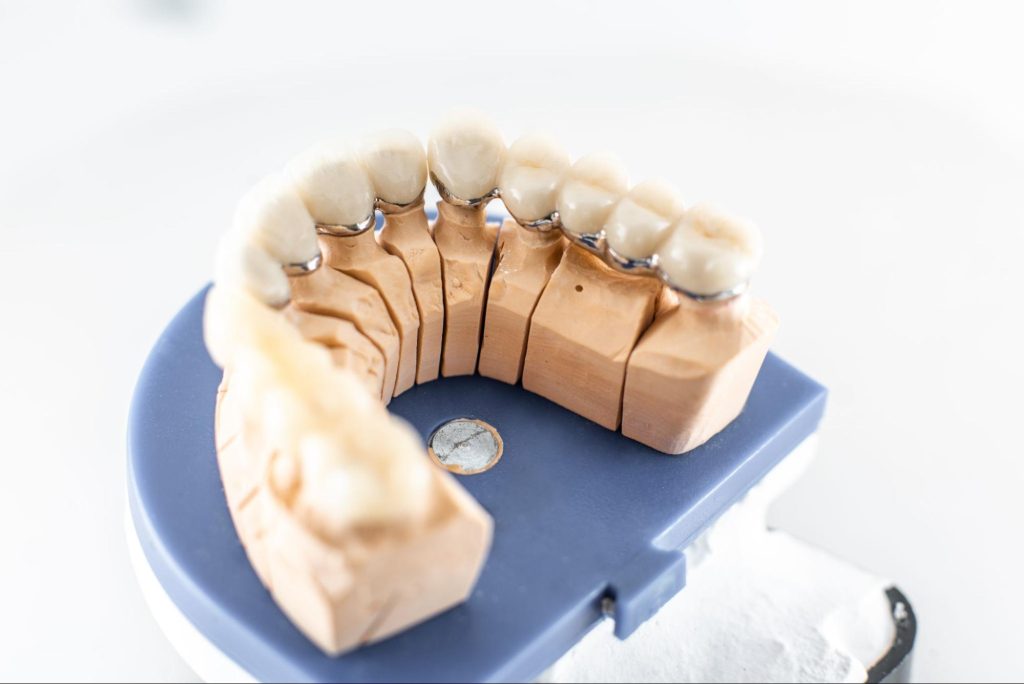
Most bridges contain a pontic positioned where the natural tooth once stood. Crowns may sit beside the pontic and secure the restoration to supporting teeth. These supporting teeth are commonly called abutment teeth in dental treatment. Bridge materials may include porcelain, ceramic, zirconia, metal, or a combination of these materials. Dentists select materials based on strength, appearance, location, and the patient’s bite. A well-designed bridge should look natural while handling everyday chewing forces comfortably.
Why Replacing a Missing Tooth Matters
A missing tooth leaves space that neighboring teeth may gradually move toward. Tooth movement can change bite alignment and create harder areas to clean. Some people also begin chewing differently to avoid the open area. Over time, those changes may put uneven pressure on other teeth. Replacing the tooth can restore a more balanced chewing surface and improve appearance. However, the right replacement method depends on oral health and individual treatment needs.
Who May Benefit From a Dental Bridge
Bridges can suit adults missing one tooth or several neighboring teeth. Patients generally need healthy gums and adequate support around the treatment area. Traditional bridges also require suitable natural teeth beside the missing tooth. Implant-supported designs need enough healthy bone to support dental implants. Existing decay or gum problems may require treatment before placing a bridge. A dentist can evaluate these factors through an examination and dental imaging.
Dental Bridge Types and Your Options
Different dental bridges address different tooth gaps, support needs, and oral conditions. Understanding how each option works can help you better understand your dentist’s recommendation. Comparing their designs also clarifies how each bridge restores function while protecting surrounding teeth.
Traditional Fixed Bridges
Traditional bridges remain a widely recognized approach for replacing missing teeth. They typically use crowns placed on natural teeth beside the open space. The crowns support an artificial tooth in between. Their familiar design can provide dependable function in many clinical situations.
How Traditional Fixed Bridges Work
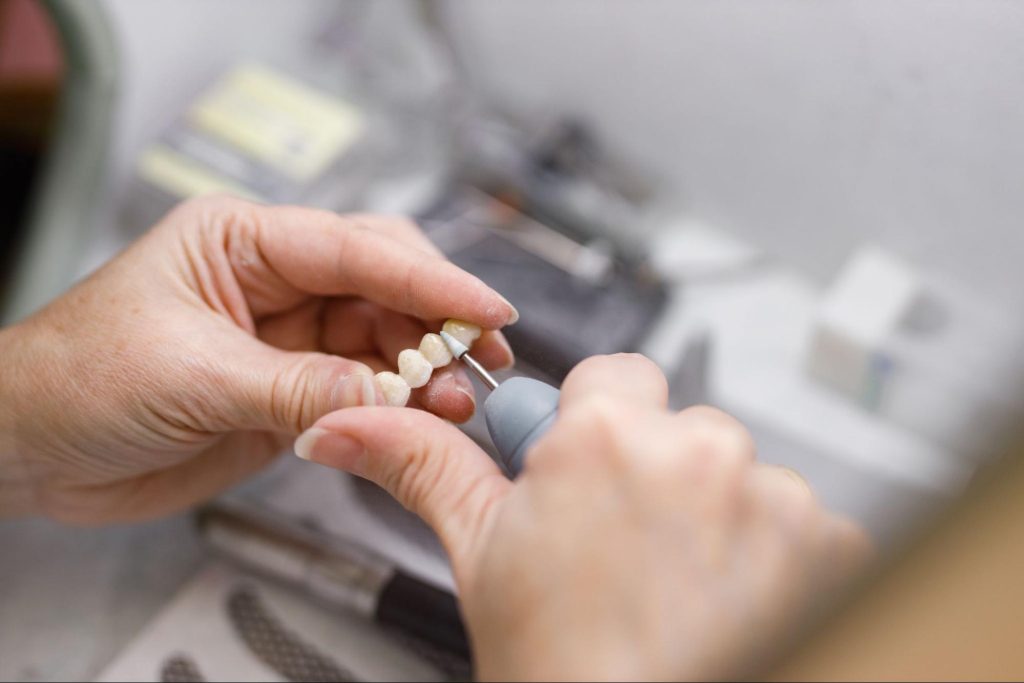
A traditional bridge usually requires a natural supporting tooth on each side. The dentist reshapes these teeth so the crowns fit securely. Impressions or digital scans then capture the prepared area for bridge fabrication. A temporary restoration may protect the teeth while the dentist makes the permanent bridge. The completed bridge joins the crowns and artificial tooth into one fixed restoration. Dental cement then holds the crowns securely over the prepared supporting teeth.
Benefits of Traditional Fixed Bridges
Traditional bridges provide a fixed replacement that does not require daily removal. They can restore chewing ability while closing a visible gap in the smile. Modern materials can also match tooth color to blend with surrounding enamel. Treatment usually requires less time than implant procedures involving surgery and healing. Traditional bridges can also work when implants are unsuitable for certain patients. Their suitability still depends heavily on the health of the supporting teeth.
Limitations of Traditional Fixed Bridges
Traditional bridges require dentists to remove enamel from the supporting natural teeth. That preparation permanently changes those teeth, even when they were previously healthy. Supporting teeth also carry additional forces after the bridge becomes part of the bite. Decay can develop around crown margins when plaque remains around these areas. Cleaning beneath the pontic also requires more effort than brushing a natural tooth. These considerations make home care and routine dental visits particularly important after treatment.
Cantilever Bridges
Cantilever bridges can address tooth gaps with a natural supporting tooth on only one side. Unlike traditional designs, they do not require abutment teeth on both sides. The restoration extends from its supporting tooth to replace the missing tooth. Dentists use this design selectively because chewing forces concentrate around its support.
How Cantilever Bridges Work
A cantilever bridge anchors the artificial tooth to an abutment on one side. The supporting tooth receives a crown that connects directly to the pontic. This bridge structure differs from traditional restorations supported at both ends. Because support comes from one direction, bite forces require careful evaluation. Heavy chewing pressure can create leverage on the supporting tooth and restoration. Dentists therefore consider the tooth’s location and bite before recommending this option.
Benefits of Cantilever Bridges
Cantilever bridges can replace a tooth when support exists on only one side. Their design may reduce the need to prepare another neighboring tooth for treatment. They also provide a fixed replacement that remains in place during daily activities. Tooth-colored materials can help the pontic blend naturally with surrounding teeth. The procedure may involve fewer treatment stages than implant-supported replacement options. These advantages depend on having a strong abutment and manageable chewing forces.
Limitations of Cantilever Bridges
Cantilever bridges cannot distribute chewing pressure across supports on both sides. The supporting tooth may therefore experience greater stress during biting and chewing. Heavy bite forces can increase the risk of loosening or damage to the restoration. Teeth grinding may create additional concerns for this bridge design. Dentists may avoid cantilever bridges in areas exposed to substantial chewing pressure. Careful evaluation determines whether the available abutment can provide reliable support.
Maryland Bonded Bridges
Maryland bridges use a more conservative attachment method than crown-supported options. They often replace a single missing tooth, particularly toward the front. Instead of full crowns, small wings attach behind nearby natural teeth. In suitable cases, this approach can preserve more natural tooth structure.
How Maryland Bonded Bridges Work
A Maryland bridge includes a pontic with thin wings extending from its sides. These wings usually bond to the backs of neighboring natural teeth. Materials can include ceramic, metal, or combinations designed for strength and appearance. Because full crowns aren’t necessary, extensive reshaping may not be required. The bonding surfaces still need proper preparation for reliable attachment. Careful planning helps the restoration fit comfortably without interfering with the patient’s bite.
Benefits of Maryland Bonded Bridges
Maryland bridges generally preserve more enamel than crown-supported traditional bridges. That feature can appeal when neighboring teeth remain healthy and largely untouched. Treatment may also involve fewer structural changes to the supporting teeth. The restoration remains fixed, so patients do not remove it for cleaning. A well-matched pontic can also create a natural appearance in visible areas. These advantages make Maryland designs useful for carefully selected tooth gaps.
Limitations of Maryland Bonded Bridges
Bonded wings may loosen under excessive or uneven biting forces. For that reason, Maryland bridges are not suitable for every missing tooth. Back teeth usually experience stronger chewing forces than many front teeth. Deep bites or teeth grinding may also add stress to bonded components. The supporting enamel must provide an appropriate surface for predictable bonding. Dentists weigh these factors before recommending this restoration over other options.
Implant-Supported Bridges
Implant-supported bridges can replace several missing teeth without relying entirely on natural teeth. Dental implants placed in the jaw provide stable support for the restoration. This approach can preserve neighboring teeth that might otherwise require crown preparation. Treatment requires careful planning because it includes surgical and restorative stages.
How Implant-Supported Bridges Work
Dental implants act as artificial tooth roots positioned within the jawbone. After placement, the implants need time to become stable within the surrounding bone. The dentist later connects components that support the final bridge restoration. The bridge spans the missing area and is supported by strategically positioned implants. Not every missing tooth necessarily requires its own individual implant. Implant number and placement depend on bone, bite forces, and the restoration’s planned length.
Benefits of Implant-Supported Bridges
Implant-supported bridges avoid using neighboring natural teeth as the primary anchors. This design can preserve healthy enamel that full crown preparation would otherwise remove. Implants also transfer chewing forces through their supporting structures into the jaw. Patients receive a fixed restoration rather than a removable replacement for the gap. The approach can replace several neighboring teeth with a stable prosthetic design. Long-term success still depends on healthy tissues, proper cleaning, and professional maintenance.
Considerations for Implant-Supported Bridges
Implant treatment generally takes longer than placement of a conventional tooth-supported bridge. Healing periods may extend the process before the permanent restoration can be attached. Some patients also need bone grafting before implants can reliably support the restoration. Smoking, certain health conditions, medications, and gum health can affect treatment planning. Costs may also differ because implant-supported treatment involves surgery and several components. A detailed evaluation helps determine whether these added steps suit the patient’s needs.
Choosing Between Dental Bridge Options
No bridge design works equally well for every missing tooth or patient. The location and size of the gap strongly influence available treatment choices. Supporting teeth, gum health, bone levels, and bite patterns also shape the plan. Dentists combine these details rather than choosing a bridge based on appearance alone.
Location and Number of Missing Teeth
The position of a missing tooth affects the forces a bridge must handle. Molars usually handle heavier chewing loads than front teeth. A single missing tooth also requires different considerations than several consecutive missing teeth. Traditional designs may work when strong natural teeth border an appropriate gap. Maryland bridges may suit selected front-tooth cases where conservative preparation matters. Larger gaps may lead dentists to consider implant-supported bridges or other replacement methods.
Condition of the Supporting Teeth
Healthy abutment teeth provide a stronger foundation for tooth-supported bridges and daily function. Large fillings, cracks, decay, or weakened roots can complicate treatment decisions. Existing crowns may also influence how a dentist plans the final restoration. Gum disease can reduce support around teeth considered for bridge anchorage. Dentists therefore evaluate both visible tooth structure and structures below the gumline. X-rays can provide additional information about roots, bone levels, and hidden dental problems.
Appearance, Function, and Budget
Bridge selection often involves balancing appearance, durability, treatment time, and financial considerations. Highly visible teeth may require materials chosen partly for their natural appearance. Back teeth may need restorations designed around stronger chewing pressures. Insurance benefits vary by plan and the specific treatment provided. Implant-supported options may cost more upfront than some conventional bridges. Patients should compare long-term care needs with upfront costs before deciding.
Restore Your Smile With the Right Dental Bridge
Living with a missing tooth can create problems that become harder to address over time. The right dental bridge depends on your tooth gap, oral health, bite, and available support. A professional evaluation can identify an option that restores comfortable function without overlooking surrounding teeth. Schedule a dental consultation soon to address the gap and protect your smile for years ahead.
Stay informed about your dental health with clear, reliable information. Explore the Las Palmas Dental Dr. Gaston blog for useful guidance on dental care, treatments, and healthy smiles.